When the Walls Are Older Than the Policy: Insuring an Established Home Abroad
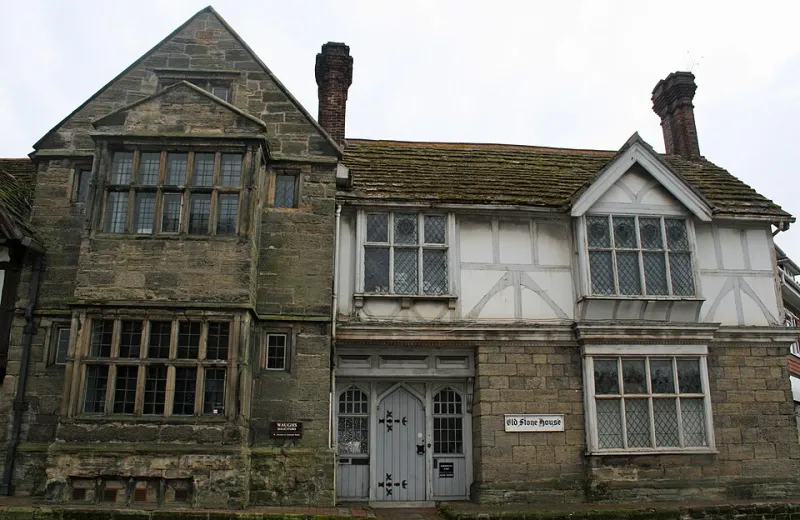
Photo: Jo Turner, CC BY-SA 2.0, via Wikimedia Commons
An older house abroad can be a rewarding purchase: thick walls, traditional roofs and a position in a town that has matured over generations. It can also be an insurance problem in waiting. A policy written for a British suburban home seldom transfers cleanly to a stone house in southern Europe, a timber-framed property in a rural area or an apartment in a building with shared services. The cover must fit the building, the local climate and the way the property will actually be used.
Why a British policy cannot simply be re-addressed
Buildings insurance is a contract governed by the law and market practice of the country where the property stands. UK policies commonly assume certain construction methods, access to emergency services and a familiar set of perils. Overseas, the list of insured events may include earthquake, wildfire or civil commotion that a British policy never contemplated. The wording may also impose maintenance duties that are stricter than a UK homeowner expects.
A local insurer, or a local branch of an international insurer, is therefore usually the starting point. If there is a mortgage on the property, the lender will often specify the type of cover and may require the policy to be held with an authorised local insurer. A broker who works in the region can explain what is standard, what is excluded and what must be declared.
Rebuild cost, not asking price
The most common error is to insure for the price paid or the current market value. Buildings cover should normally be based on the cost of rebuilding the property from scratch: demolition, local labour and materials, professional fees, compliance with current building regulations and any costs of clearing the site. In an older property, these figures can be surprising. Traditional roof tiles, lime mortar, stonework and bespoke joinery may cost far more to replace than modern equivalents.
Ask a local surveyor or quantity surveyor to prepare a reinstatement calculation. Check whether the sum insured includes terraces, boundary walls, outbuildings, swimming pools and solar panels, or whether these need separate treatment. Review the figure each year; construction costs move, and a policy that was adequate at purchase can become thin after a few seasons. Many policies contain an average clause, which reduces a claim proportionately if the sum insured is too low.
Contents are a separate calculation. Older homes often contain furniture, paintings or inherited pieces that may exceed standard limits for valuables, works of art or items away from the home. Ask for those limits in writing.
The risks that must be declared
Local insurers may ask about hazards that a UK buyer would not instinctively consider. Flood is the obvious one, but it is not only river flooding: surface water, coastal surges and poor drainage after heavy rain all matter. Wildfire risk depends on vegetation, access roads, water supply and local zoning. Seismic movement is relevant in many regions, particularly for older masonry buildings that predate modern anti-seismic standards. Subsidence can follow from clay soils, mature trees, leaking drains or previous movement.
These points should be declared plainly, not assumed to be covered. If a property has suffered movement, flooding or fire damage in the past, say so. Non-disclosure or an inaccurate description can give an insurer grounds to decline a claim long after the policy has been paid for.
Reading exclusions in plain English
Exclusions are where older properties often come unstuck. Typical ones include gradual deterioration, damp, rot, infestation, faulty workmanship and lack of maintenance. A storm may be defined narrowly, and damage from snow load or hail may be treated separately. Theft cover may require forcible entry, which is little comfort if a door was left unlocked. Outbuildings, boundary walls and garden structures may be excluded or sub-limited.
Check the excess carefully. A low premium may conceal a high deductible for flood, storm or earthquake, or a separate excess for each peril. Also confirm whether claims are settled on a repair-and-reinstate basis or on an indemnity basis that makes an allowance for age.
The empty-house clause
One of the quietest risks is unoccupancy. Many policies reduce cover, impose conditions or stop applying altogether after a property has been left empty for a stated period, often 30, 45 or 60 consecutive days. This matters both for a foreign home left empty during a long return to the UK and for a UK base kept on after moving abroad. A standard household policy may not respond if the house is no longer anyone's main home.
Tell the insurer how the property will be used and for how long it will be empty. Ask for an unoccupancy endorsement if needed. Practical conditions may include turning off the water and gas, draining the system, maintaining heating in winter, arranging regular visits, keeping alarms active and giving a keyholder's details. If the property will be let, ask for landlord cover rather than assuming a standard policy will stretch.
Questions to put to a local broker
Before signing, ask whether the insurer is authorised in the country; whether the property is treated as standard or non-standard; how the rebuild figure was calculated; whether flood, wildfire, seismic movement and subsidence are included or excluded; what the unoccupancy rule is; what maintenance the policy requires; what limits apply to contents and valuables; and how claims are handled, including whether correspondence can be in English. Ask for the key points in writing.
Insurance is not the place to rely on a comparison website alone. An older home abroad deserves a policy written for its age, its construction and its location. The right broker will not promise that nothing can go wrong; they will make sure the reader knows precisely what happens when it does.