The Second Set of Keys: What a UK Base Really Costs Once You Have Moved Abroad
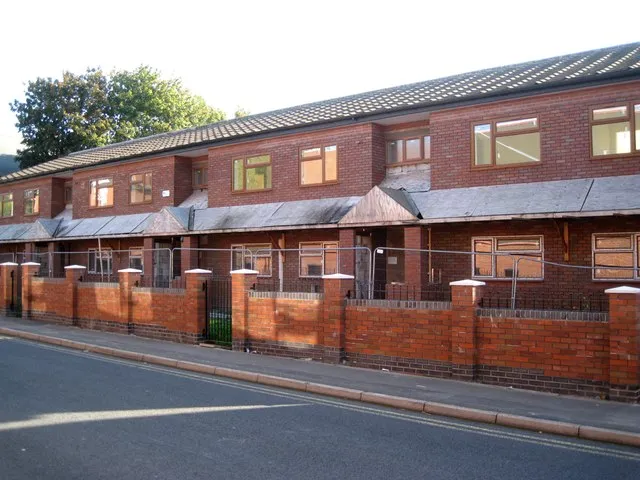
Photo: Robin Stott , CC BY-SA 2.0, via Wikimedia Commons
Most people who move abroad do the sums once, in a flurry of spreadsheets, in the months before the flight. Then life takes over. The UK base keeps ticking along on a direct debit, the post is redirected, and nobody quite adds up what the foothold is costing each year. For couples in their sixties and seventies, that figure can be several thousand pounds annually — money that might otherwise pay for a warmer winter or a better class of health cover.
None of this argues against keeping a British home. A base means somewhere to return to for family, for hospital appointments, for the sheer comfort of familiar ground. What it argues for is knowing the number.
The bills that do not follow you
The costs of a UK property fall into two groups: the ones you expect to keep paying, such as a mortgage or service charge, and the ones that surprise people because they are invisible until they are not. The second group is where the money leaks.
Council tax, and the premium nobody mentions
An empty or lightly used property does not simply sit at the standard rate. In England, a dwelling that has stood empty and substantially unfurnished for two years may attract an empty homes premium on top of the normal charge, with the percentage rising for longer voids and set locally rather than nationally. Wales and Scotland operate their own versions, and second homes have been drawn into similar territory over recent years. Furnished but unoccupied is treated differently again, which is why furnished-and-ready-to-return is often the cheaper arrangement.
For a single occupant, a twenty-five per cent discount normally applies — but it is tied to occupation, not to ownership, and it is the sort of thing that lapses quietly when circumstances change. One phone call to the local authority, and an honest description of how the property is used, is worth more than a year of assumptions.
Insurance: the thirty-day assumption
Standard home insurance is written for homes that are lived in. Many policies restrict cover where the property is unoccupied for more than thirty or forty-five consecutive days, and some treat it as a material change that must be disclosed. The consequence is not merely a higher premium but a claim refused at the worst possible moment.
Specialist unoccupied cover exists and is not unreasonable, but it usually costs more and comes with conditions: weekly inspections, the water drained down, the stopcock closed, perhaps a named keyholder. Whatever happens, do not allow buildings cover to lapse for a single day; reinstating it after a gap is far harder than renewing it.
The standing charges that keep standing
Energy is the obvious one, but even an empty house pays a daily standing charge, and many suppliers will not disconnect entirely without a reconnection fee when you return. Water often carries a fixed charge regardless of use. Broadband and telephone contracts run to the end of their minimum term, and exit fees can exceed the remaining monthly cost.
On the television licence: one is needed to watch live television or use BBC iPlayer, and not otherwise. If the property genuinely falls silent, the licence can be cancelled and a refund claimed on the unused months — but that is a declaration to make deliberately, not a box to ignore.
Post, banks and the paper trail
Royal Mail redirection is priced by length and covers a finite period; long-term movers generally end up paying a specialist scanning and forwarding service instead. Budget for it. Banks and building societies can be surprisingly rigid about a UK address, and some will restrict an account held by a non-resident. Registering as an overseas voter keeps you on the electoral roll, which in turn helps with credit checks and identity verification.
Tax residency: the tail that wags the dog
The Statutory Residence Test decides whether you are UK resident for tax, and days in the country are only part of the picture; ties, accommodation and work all count. A split-year treatment may apply in the year of departure. Rental income from a UK property remains taxable in the UK, usually collected through the Non-Resident Landlord Scheme, and must be declared locally too unless a double taxation agreement says otherwise.
The practical point for older readers is simpler: the year you leave is the year to take advice, not the year after. A short conversation with a adviser familiar with both jurisdictions commonly costs less than a single mistaken assumption.
Health: what the NHS will and will not do
Entitlement to NHS hospital treatment rests on being ordinarily resident in the UK, and long absences can complicate that. Routine treatment while back on a visit is not automatically free, although arrangements differ between England, Scotland, Wales and Northern Ireland. Anyone planning to shuttle between two countries should establish their position in writing before the first extended absence, and should not assume a UK GP will keep them on the list indefinitely.
Three ways to hold the base
| Approach | Typical annual cost | Effort | Flexibility |
|---|---|---|---|
| Keep empty and furnished | Council tax (possibly with premium), unoccupied insurance, standing charges, mail service | Low, but inspections required | Highest — the house is ready when you arrive |
| Let it out | Letting agent fees, compliance certificates, repairs, tax on rental income | Moderate to high | Lower — notice periods and tenants |
| Sell and rent on return | None, but capital released and no property to return to | Lowest | Lowest, though a lump sum buys options |
Selling is not merely a financial decision, of course. It is worth noting, though, that a property which has ceased to be your only or main home can attract Capital Gains Tax on a later sale, so the order in which you do things matters.
Questions to answer before the first winter away
- What is the total annual cost of the base, including the items you have never itemised?
- Does the council tax account reflect how the property is actually used, and is any discount or premium correct?
- Does the insurance policy permit absences of the length you intend, and what conditions apply?
- Which contracts expire during the absence, and which will auto-renew?
- Who inspects the property, and how often, and who holds a key?
- Where will official post go, and who opens it?
- Have you told HMRC, the council and your insurer that you are leaving?
- Are you registered as an overseas voter?
- Is your tax position for the departure year settled in writing?
- Do you know, precisely, what NHS treatment you are entitled to on a return visit?
- If the property were to be let, would the numbers still work after agent fees and tax?
- What would you do if you needed to return at a week's notice?
The figure worth knowing
A UK base is a legitimate and often wise expense. But it should be a chosen expense, reviewed each year against what it delivers. Add the numbers up once, honestly, and the decision about whether to keep, let or sell becomes a good deal clearer — and rather less emotional.