From Microchip to Ferry Ticket: Counting Backwards to Move Your Pet Abroad
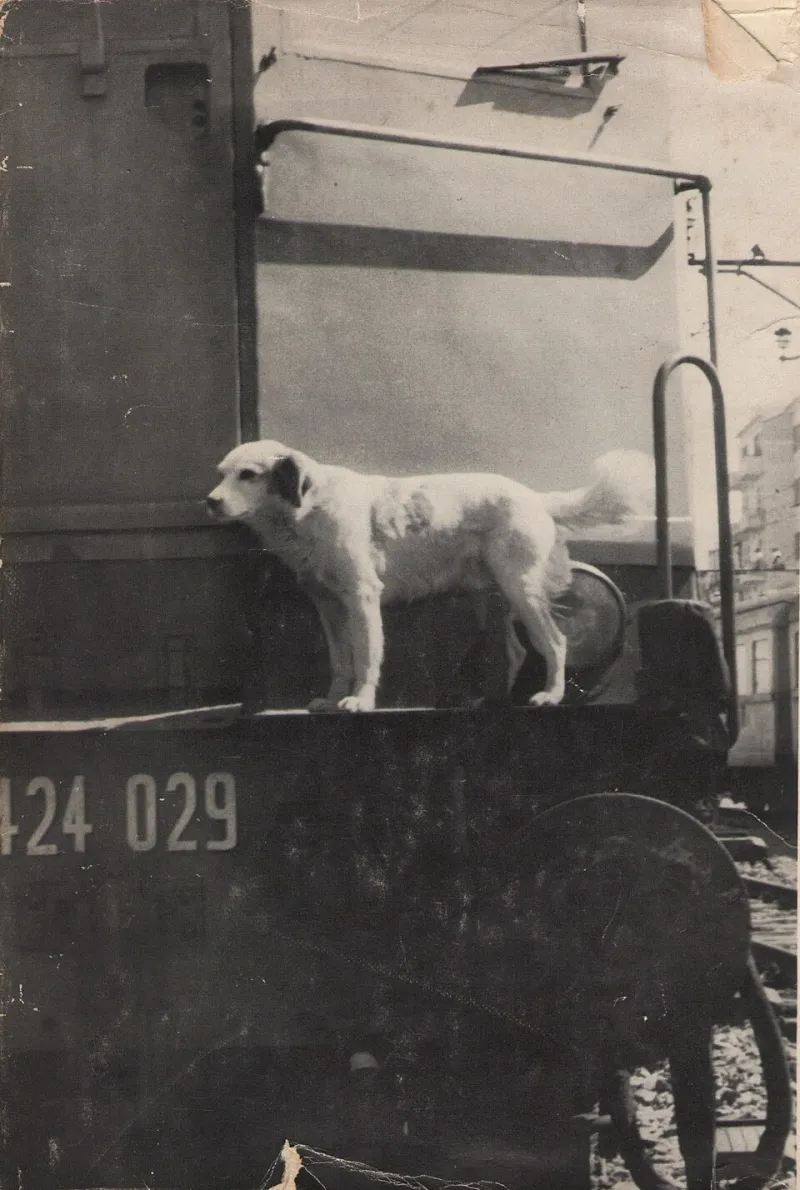
Photo: Elvio Barlettani, Public domain, via Wikimedia Commons
Nobody moves abroad for the sake of the paperwork, but the paperwork is what decides whether your dog travels with you in March or joins you in June. The rules for taking a pet from Great Britain to the EU are clear and, once you understand the sequence, entirely manageable. What catches people out is the order of events. Get the order wrong and you restart the clock.
Here is how the timetable works, counted backwards from the day you drive onto the ferry or check in at the cargo terminal.
Start With the Chip, Not the Jab
The first step is the microchip, and it must come first. A rabies vaccination given before the chip is implanted does not count, and a French or Spanish vet inspecting the record will say so. The chip should meet ISO standard 11784 or 11785 — a fifteen-digit number. If your pet was chipped some years ago, ask your vet to scan it and confirm it reads cleanly; a fading chip discovered at check-in is a journey cancelled.
Once the number is confirmed, write it down and check it against every document thereafter. A single transposed digit on the health certificate is one of the commonest reasons for a refusal at the pet reception desk.
The Vaccination and the 21-Day Wait
Rabies vaccination follows the chip, and then a waiting period of 21 clear days must pass before your pet enters the EU. Only after that is the animal ready to travel.
There is one welcome exception. If your pet has been vaccinated continuously, with boosters given before the previous one lapsed, the clock does not restart and the animal remains ready. If the record has a gap, the 21 days begin again from the new jab. In practice this single rule dictates the earliest date you can travel, so check your vaccination card before you book anything.
Six Months Out: The Decisions That Cannot Be Rushed
Decide the route early. The Eurotunnel shuttle is the simplest option for many — the pet stays in the car for the 35-minute crossing — while ferry operators vary considerably in what they offer. Some routes have a handful of pet-friendly cabins that sell out months in advance; others provide kennels on deck. Airlines generally carry pets in the hold as manifest cargo, and cabin travel from the UK is rare and heavily restricted.
This is also the moment to check whether your animal faces any breed-specific obstacles. Flat-faced breeds such as pugs, bulldogs and Persian cats are refused by several carriers and ferry companies on welfare grounds, particularly in warm months. Certain breeds are restricted or banned outright in some destination countries. Find out now, not at the booking page.
If your pet is young, note that UK vets generally vaccinate against rabies at twelve weeks, which means the earliest travel age is around fifteen weeks once the waiting period is added.
Four to Three Months Out: Find the Right Vet
Not every practice has an Official Veterinarian able to issue an Animal Health Certificate. Ask now, book the appointment for a date within ten days of travel, and confirm the fee — typically £150 to £300 for the first animal and less for each additional one. Request a spare certified copy at the same time.
Two to One Month Out: The Crate and the Carrier
A crate must be the correct size for the animal to stand, turn and lie down, and it should be familiar well before the journey. Book the ferry or flight, confirm the pet booking in writing, and arrange a kennel or cattery for the awkward gap between leaving your UK home and having the new one ready.
Ten Days Before: The Certificate Appointment
Bring the microchip number, the vaccination record, your own passport, your destination address and your travel booking reference. The Animal Health Certificate issued will allow a single entry into the EU and then, once endorsed, four months of onward travel within the EU and re-entry to Great Britain. It does not permit re-entry to the EU after you have left it — that requires a fresh certificate.
The Pet Passport Question
Great Britain no longer issues EU pet passports. Once you are resident in France, Spain or Portugal, however, a local vet may issue one, sometimes on proof of address or registration. It is worth doing promptly: an EU passport replaces the certificate for future travel between EU countries and back to Britain, and it will save you considerable time and money over the years.
Tapeworm: The Return Journey Rule
Dogs coming back into Great Britain must be treated against Echinococcus multilocularis by a vet between 24 hours and 120 hours before arrival, with the treatment recorded in the passport or certificate. This is not required for entry into most EU countries, so it is easy to forget until the return trip is imminent. Cats are exempt. Ireland, Finland, Malta and Norway have their own tapeworm requirements for entry.
The First Week in Your New Country
Register with a local vet within days of arrival. In Spain this means entering the animal in the regional companion animal registry; in France, registering the microchip with I-CAD; in Portugal, the SIAC system. Bring your UK vaccination history and the certificate. Local rabies boosters are usually annual.
Costs at a Glance
Microchip, £20 to £40. Rabies vaccination, £40 to £70. Animal Health Certificate, £150 to £300. Ferry crossing with a pet, £50 to £150; air cargo, £200 to £600. Local registration and first vet visit, modest but not nothing. Budget £500 to £900 for one animal on a straightforward route.
The Calendar, Pinned Up
- Six months: confirm route, check breed rules, book pet-friendly accommodation on the crossing.
- Four months: identify an Official Veterinarian and book the certificate appointment.
- Two months: buy and acclimatise the crate, confirm the carrier booking.
- Ten days: certificate issued; check every digit.
- Travel day: arrive early, carry all originals.
- First week: register locally and start the passport process.
- Every return to the UK: tapeworm treatment for dogs, and a valid passport or certificate.
None of it is difficult. All of it depends on doing things in the right order, and on giving yourself more time than you think you need.